
A Web of Conspiracy Around Cox’s Bazar: In Defense of Additional DIG Appel Mahmud
By Mohammad Kamal Uddin
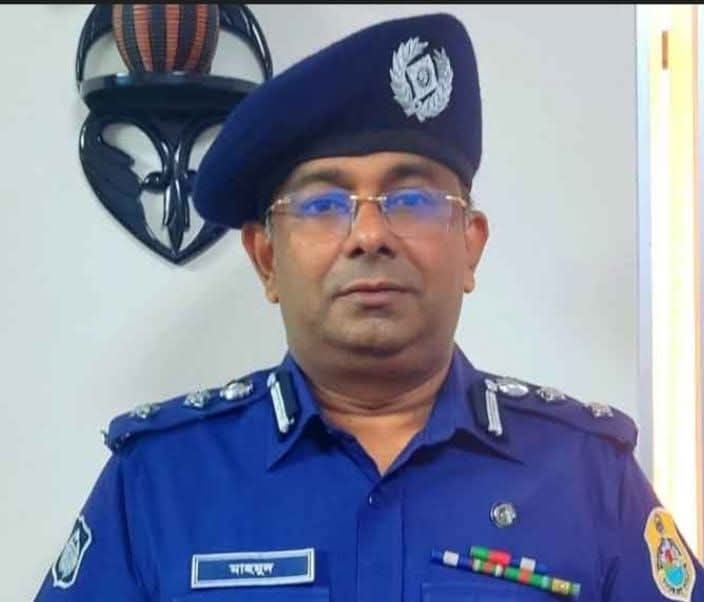
Cox’s Bazar is not merely a coastal town—it is the crown jewel of Bangladesh’s tourism industry. Home to the world’s longest natural sea beach, it represents the country’s global image, economic aspiration, and hospitality potential. In recent years, visible efforts have been made to transform this iconic destination into a safe, disciplined, and internationally standard tourist city. At the center of that transformation stands Additional DIG of Tourist Police, Appel Mahmud.
At a time when these efforts are beginning to show results, a sudden wave of allegations and viral social media campaigns has emerged against him. This raises a critical question: why now—and in whose interest?
Transforming the Beach into a Safer Destination
Over the past few years, security measures around Cox’s Bazar sea beach have significantly strengthened. Night patrols have increased, surveillance around hotels and resorts has intensified, and strict actions have been taken against drug trafficking, organized prostitution rings, and illegal beach encroachments.
There was a time when certain parts of the beach were controlled by drug dealers, touts, and organized crime networks. Families hesitated to visit after sunset. Under the leadership and operational direction of Appel Mahmud, firm steps were taken to dismantle these networks. As a result, discipline and order gradually returned, restoring public confidence and renewing hopes of positioning Cox’s Bazar as a safe international tourism hub.
The Discomfort of Criminal Networks
Whenever law enforcement strikes at the financial roots of criminal syndicates, retaliation is inevitable. Those who profited from illegal beach occupations, drug trafficking, and immoral businesses do not remain silent when their operations are disrupted.
The recent circulation of video statements and unverified allegations on social media appears less like spontaneous whistleblowing and more like a coordinated character assassination campaign. The synchronized spread of content through questionable online portals and fake accounts suggests organization rather than coincidence.
Possible Links to Vested Interests
In Cox’s Bazar and nearby Teknaf, several drug syndicates have long operated with entrenched networks. Names such as Shah Azam have resurfaced in public discussions related to controversial videos. It is reasonable to ask whether those whose financial interests have been severely harmed by anti-narcotics operations are now attempting to retaliate through smear campaigns.
Equally concerning is the role of certain so-called journalists and obscure online platforms that appear to have amplified these allegations without proper verification. Responsible journalism requires evidence, cross-checking, and hearing all sides. Publishing serious accusations without due diligence undermines both justice and professional integrity.
The Responsibility of Journalism
As a journalist, researcher, and television presenter who has written extensively on Bangladesh’s tourism industry, I believe in accountability. If there are credible allegations against any public official, they must be investigated thoroughly and transparently.
However, social media trials, viral videos without forensic scrutiny, and coordinated online defamation campaigns are not substitutes for due process. In the absence of official findings or verified evidence, rushing to conclusions damages not only individuals but also institutions.
Why Now?
Timing is everything. As Cox’s Bazar moves closer to achieving a safer and more structured tourism environment, why has this wave of allegations emerged at this precise moment?
When a law enforcement officer actively dismantles criminal economies, it is not uncommon for those affected to retaliate with reputational attacks. Allegations involving sensitive themes such as drugs and exploitation can be powerful tools in shaping public perception—even before any investigation takes place.
The National Image at Stake
Cox’s Bazar is more than a district; it is an international symbol of Bangladesh. Negative narratives involving senior tourism security officials inevitably impact the country’s global image. Tourism thrives on safety and trust.
If officers who enforce discipline and challenge criminal networks are subjected to organized smear campaigns, the state must ensure both impartial investigation and protection from baseless defamation.
Let Truth Prevail
Let there be a fair and transparent inquiry into all allegations. If evidence exists, let the law take its course. But if the accusations are found to be fabricated, those responsible for orchestrating defamation should also face accountability.
The campaign against Appel Mahmud appears not merely as an attack on an individual, but as an attempt to weaken the broader effort to secure Cox’s Bazar’s future as a safe tourist destination.
Conclusion
Transforming Cox’s Bazar into an internationally recognized, secure tourism city is not an easy task. Resistance, backlash, and conspiracies are inevitable when entrenched criminal interests are challenged.
But truth ultimately prevails over propaganda. The people of Cox’s Bazar are aware of who has worked to restore order and who may benefit from chaos.
In defense of justice, responsible journalism, and Bangladesh’s tourism industry, this voice remains firm: allegations must be investigated, but orchestrated defamation must not be allowed to overshadow truth.